
Sask. expands medical school seats and residency positions
By Your Southwest Media Group
The province is increasing the number of people who can take medicine in our universities.
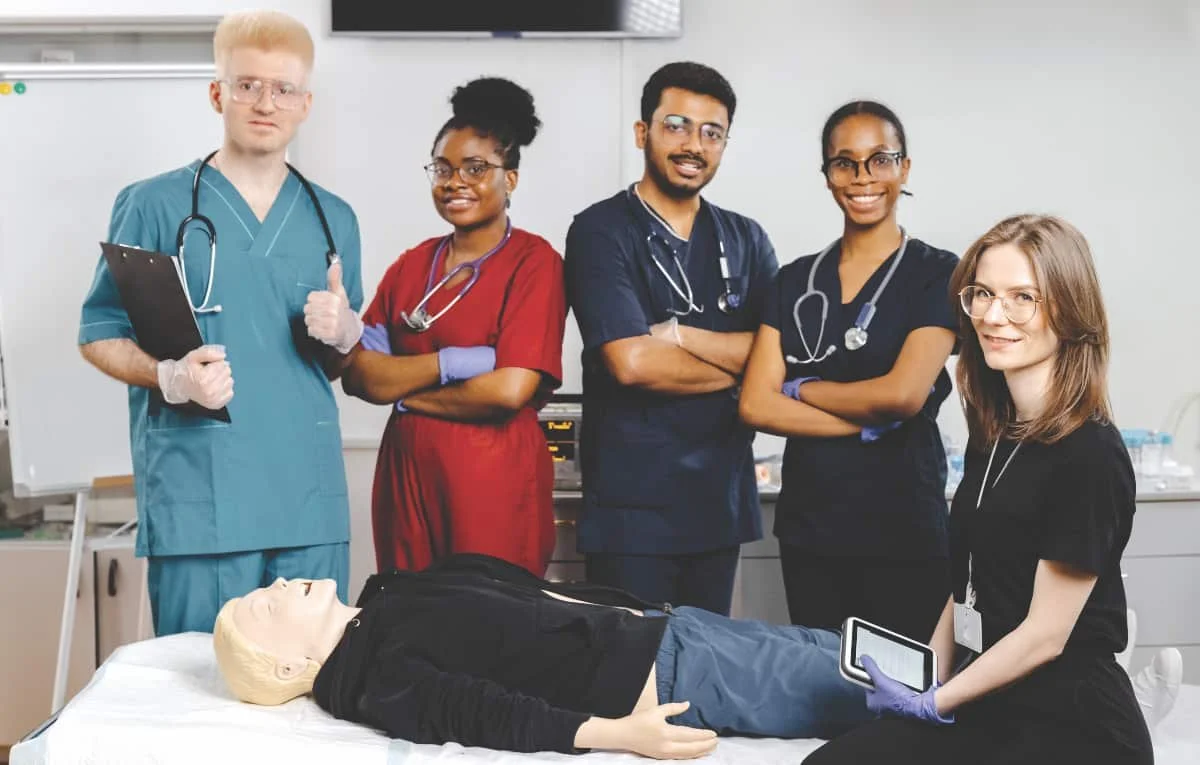
Eight more first-year medicine students can be accepted at the University of Saskatchewan this fall, with 10 more joining the medical student body in Regina. Also, an extra 10 graduates will be accepted as medical residents.
Working as a resident in Swift Current "has allowed me to be part of incredible learning experiences and to see the wide breadth of knowledge and skill that rural training provides," medical student Haley Scheck said in a Health Department statement.
"The data tells us that physicians are much more likely to build a career and practise where they train, so it's a great opportunity to improve recruitment and retention in rural Saskatchewan," Scheck said.
The government expects to spend over $6 million for the two measures, the statement said.
One of the added residencies is a new plastic surgery residency program and the other nine will fill "new and existing program expansions in both family medicine and specialty programs," the statement said.
Residencies provide medical-school graduates with hands-on clinical training, it explained. As of this July, U of S grads will take up 162 first-year residency positions around the province.
The expansion will bring the total number of first-year, undergraduate seats in the province to 128. Government officials "will work with the college to target 95 per cent of medical school admissions for Saskatchewan students," the statement said.
The province boosted the Health and Advanced Education budgets by over $30 million for these and other expansions, it said.
Medical graduates can get financial incentives for beginning to work in the province, including as much as $200,000 for practising in rural and remote areas and a recent expansion of another $100,000 "to physicians who choose to establish practice in regional communities," the statement noted.
"New practice specialists" in "high-demand, specialty fields" can also receive up to $200,000 over five years and the graduate retention program offers "up to $24,000 in tax credits for post-secondary students who choose to live and work in the province after graduation.