
How times have changed on the railroad
By Ron Lamont
A caboose is something we rarely see attached to the back end of a train. In my days of railroading, from the 1940s until the mid-1980s, they were very necessary.
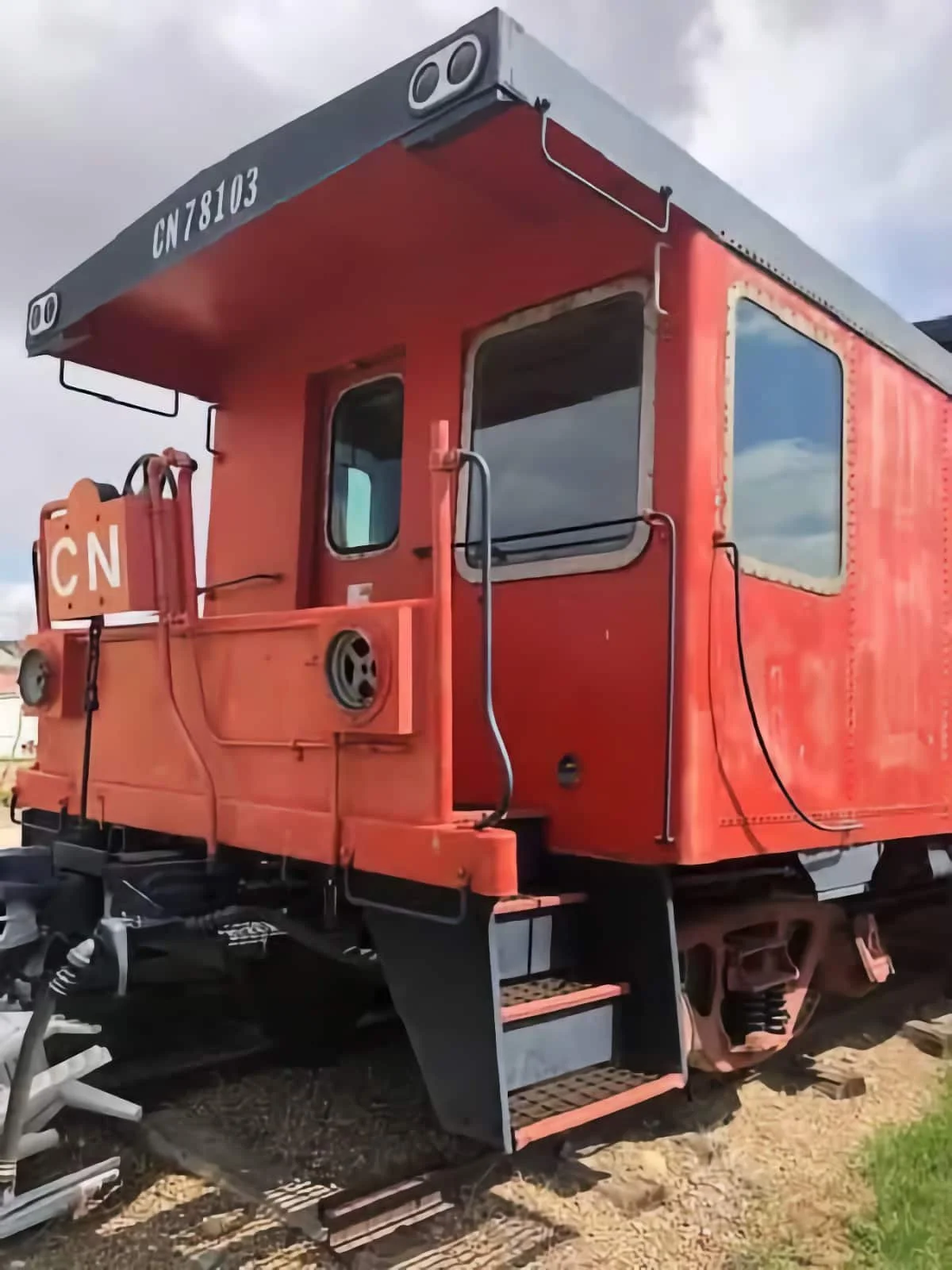
End of the line. CN 78103 sits on display, a reminder of the days when every freight train carried a caboose and the crew who worked out of it. PHOTO SUBMITTED BY RON LAMONT
During the steam engine days there were five men on all freight trains. The engineer, fireman and head-end brakeman rode on the engine, and the conductor and tail-end brakeman rode in the caboose. The caboose had a seating area at the tail end where the crew could observe the cars ahead of the caboose.
In the early days we had many hot boxes. The axles would get so hot they would catch on fire, and if not noticed in time would cause a derailment. In later years the wheel bearings were improved, resulting in very few hot boxes.
The conductor and two trainmen slept and cooked in the caboose at the end of a run when they were away from home. The engineer and fireman always had a bunkhouse in which to sleep and eat.
How times have changed. There are only two men now, an engineer and a conductor, and no caboose.