
By Your Southwest Media Group
Federal leaders want people to “talk money” this month.
That’s the theme of Financial Literacy Month, which happens in November for the 15th time in Canada.
Staff with the Financial Consumer Agency of Canada want residents to engage in “simple, practical conversations about money” to help improve their confidence and financial well-being, an agency statement said.
“Talking about everyday money moments is an important aspect of building financial confidence and navigating an increasingly complex and rapidly changing financial marketplace,” noted agency commissioner Shereen Benzvy Miller of Ottawa.
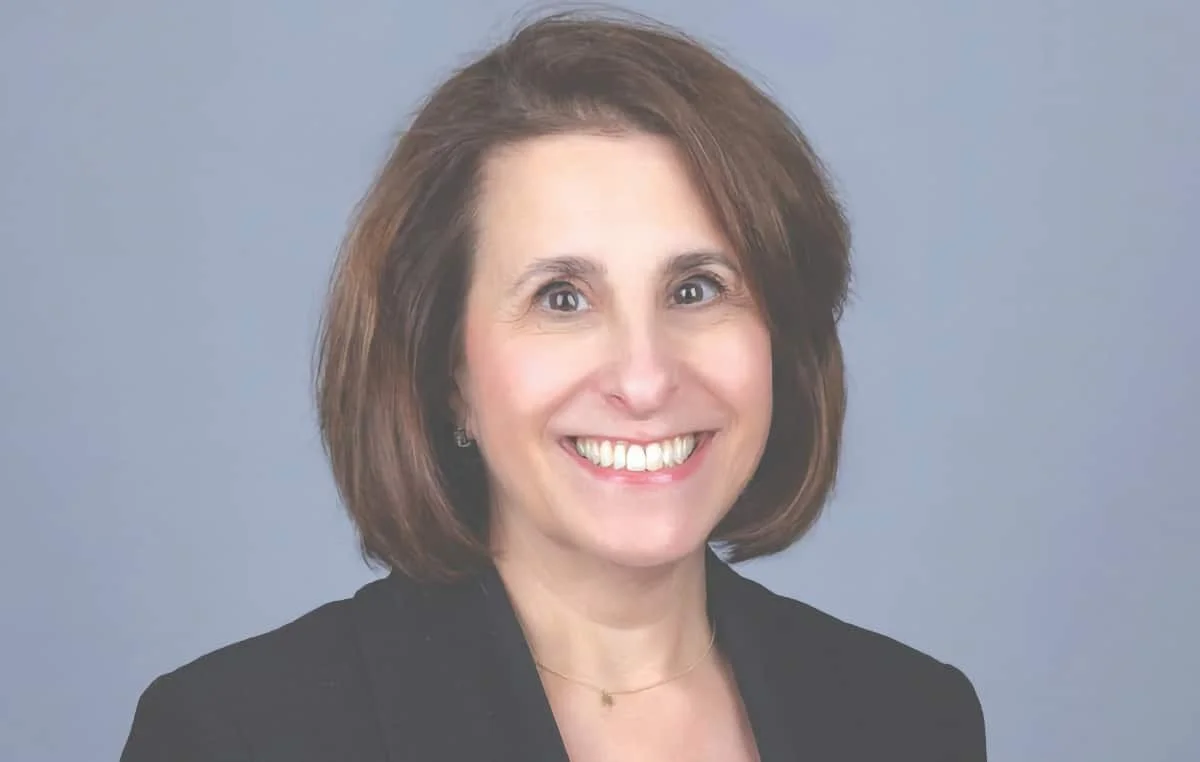
Agency commissioner Shereen Benzvy Miller.
“Financial literacy is all about being able to navigate real-life financial decisions when it matters most — whether that’s taking out a mortgage, managing debt, choosing financial products or protecting ourselves from fraud,” said Benzvy Miller, who trained as a human rights lawyer and worked in senior federal positions for 20 years before becoming the agency’s head in 2024.
“While fraud can affect anyone, many victims hesitate to share their experiences because of embarrassment or stigma,” the statement said. “Talking openly about fraud can help others recognize warning signs, avoid scams and know where to turn for help.”
People should also review their banking requirements and explore available options because financial products, fees and promotional offers change.
“Regular conversations about money can help people discover products and services that better meet their needs,” the statement said.
Agency executives want to hear about “memorable money conversations” people have had. Residents can share their stories using #FLM2026 and #TalkMoney.
More information is available on the Financial Literacy Month page of the agency website, canada.ca/en/financial-consumer-agency.
A study the agency commissioned concluded, “Research consistently shows that when women achieve greater economic empowerment and financial inclusion, economies grow, poverty declines and communities thrive.”
The study, whose final report was published in March 2025, also determined that “brief, digitally delivered interventions can effectively increase financial confidence among women. While large-scale financial education programs require substantial time and resources, our results suggest that even short, targeted interventions that last approximately five minutes can have a meaningful impact.
“Women who recalled and shared a personal story of financial confidence, defined financial concepts in their own words or completed both intervention activities, exhibited higher financial confidence compared to those who did not receive an intervention,” the report said.