
By Joan Janzen
I have no idea who wrote the following words, but they are so true. “The most beautiful souls are those who walked out of the fire, then returned with water for those still in it.”
Those beautiful souls are often found where we are least likely to look. Many people expect their government to help them out of difficulties, but when it comes to addictions, they may be disappointed.
MP Aaron Gunn reported Canada has had more than 50,000 overdose deaths since 2015. Tax dollars are being used to hand out free drugs to those suffering from addiction. As another MP observed, harm reduction has become harm production.
Michelle Ferreri, a former MP, said, “I had to come to the realization that we are never going to fix this, but we sure aren’t going to make it worse.”
And yet beautiful souls are rising up and making a difference. One of those souls is Tina Olivero, who founded Guardians of Recovery, based in St. John’s, Newfoundland.
After losing her son to an overdose, she transformed her grief and tears into empathy and help for others. Her plan includes shifting government funding toward infrastructure that actually treats and heals addictions. She also ensures programs are built and guided by individuals who have successfully navigated recovery themselves. In other words, they have walked out of the fire and are returning with water for those still in it.
Michelle Ferreri was a guest at a recent fundraising event for Guardians of Recovery. Before attending the event, Michelle had not met Tina in person. However, when she saw a woman in the crowd wearing the exact same dress as she was, she immediately knew it was Tina.
“How many dresses are there to choose from?” Michelle laughed, relaying the story to guests as she and Tina stood on stage wearing identical dresses. It may have been symbolic of their identical passion to help those suffering from addiction.
Michelle shared her experience of looking for an apartment for her daughter three years ago. They were close to Parliament Hill, and a gentleman had overdosed on the sidewalk while a lady was frantically trying to revive him. “My daughter was horrified,” she said. And the paramedics who arrived looked tired, as they had been serving the same people multiple times a day.
“That was three years ago,” she continued. A month ago she and her daughter were visiting her son in Toronto. “There were two people passed out on the street. I didn’t know if the gentleman and lady were passed out or dead. And my daughter said, ‘Mom, come on, let’s go.’ And that’s the difference three years of normalizing stepping over bodies has made. The first time she was mortified, upset and had empathy. Now it’s become so normal that people are losing empathy and compassion,” she reported. “We’ve normalized addiction; it’s time to normalize recovery.”
Anyone who has had a family member or loved one suffering from an addiction knows all too well that the addiction affects the family as much as it does the addict. Tina described it accurately in a post online.
She said behind every person struggling with addiction is a human being. A son, a daughter, a mother, a father, someone who matters to somebody. Families pray for their loved ones to find recovery. They worry, they fight, they search for answers, and they hope for a day when their loved one can begin again. But hope needs somewhere to land.
It’s been my personal experience that their landing place doesn’t need to be an institution. They need a family: people who genuinely care and have been in the same situation. They don’t need someone who is armed with knowledge. They need someone who has walked through the fire and has successfully navigated recovery themselves.
“As somebody who worked in government as an elected official, it is sometimes such a powerless feeling,” Michelle admitted. “But it’s not the elected officials that fix it. It’s you and people like Tina who come with solutions. Yes, we can meet people where they’re at, but we’re not going to leave them there.”
Michelle recalled an interview that had been done with a group of nurses. Those nurses said the number one determining factor for someone who gets a terminal or bad diagnosis is whether or not they have an advocate, somebody on their side.
Who knows? Maybe you or I could be someone’s advocate, the person who sends a text. Sometimes the smallest of gestures determines whether a person lives or dies.
“When you feel powerless and people say, ‘Who cares? They’re too far gone,’ clearly they’re not too far gone, because there are people who overcome and tell their stories,” Michelle said to the crowd at the Guardians of Recovery event.
A safe, sober living home can provide an important foundation for rebuilding a life. A short three-month government program run by government employees who have knowledge but have not walked through the fire is commendable, but may not be successful. However, a safe, sober living home, like Guardians of Recovery, offers accountability and hope to the hopeless.
I found a quote by an author that is appropriate. “One day, everything you own will either be donated, sold, or thrown away. What will remain is the difference you made in the lives of others. Live for that.”
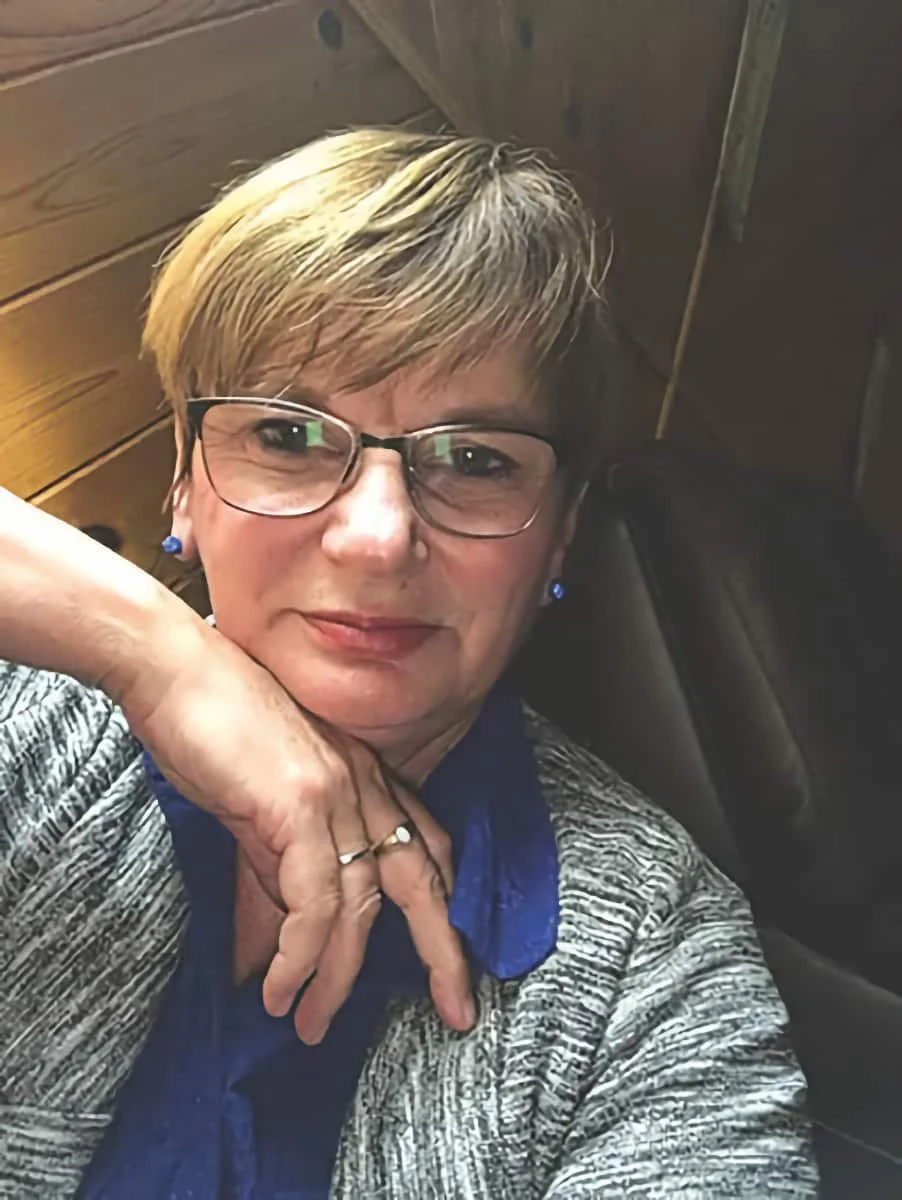
Joan Janzen