
By Joan Janzen
Someone was asked what he thought about volunteer work. He answered, “I wouldn’t do it if you paid me.”
Lately I’ve had people asking me to volunteer to help them out, usually because they don’t have any family or close connections to rely on. While it’s easy to expect government agencies to look after people’s needs, it’s also unrealistic.
All we have to do is take a look back in time to the homesteaders who had to rely on one another, and their children followed their example. A century later, the value of kindness has not depreciated; it has become even more necessary.
This necessity motivated award-winning journalist Steve Hartman to start up a Facebook group several years ago called “Kindness 101.” It’s designed for teachers to share lesson plans, strategies and curriculum based on Steve’s kindness stories relayed in his show “On the Road with Steve Hartman.” The goal is to raise genuinely kind and caring kids.
For over a decade, Derek Brown, a middle school teacher, has been sharing one of Steve’s kindness stories with his Grade 5 students every day.
Why does he do it? Derek said the stories teach his students about character better than he ever could. He said developing character is more important than math, English or reading.
“Kids have to connect with this. The possibilities go from kids watching kindness to acting it out,” the teacher said.
I remember listening to one of Steve’s stories a few years ago, when Steve said sometimes the best lessons happen on the bus ride going home from school. And that’s what happened to a busload of middle school kids who suddenly felt the bus come to an abrupt stop.
Security footage showed a seventh grader spring from his seat, grab the steering wheel and hit the brakes before yelling for someone to phone 911. Dylan had noticed the bus was swerving and the driver was having a medical emergency.
But why didn’t anyone else notice? It was because virtually every kid was busy on a device.
One thing Steve never considered is the loss of situational awareness of what is happening around kids every day. Dylan was a true hero, but sometimes it’s not easy being a hero. Dylan was the only kid on the bus who didn’t have a cellphone.
When he was asked how he felt about that, he replied, “My parents are old school, I guess.”
It’s something for everyone to consider, as we have all become glued to our devices and less observant of what is happening around us.
Throughout his lengthy career, Steve has taken home every award possible, but he says, “What I’m most proud of is teachers showing the stories in their schools. They use the subject of these stories to teach lessons.”
For nearly 40 years he has been telling stories. It’s not just good storytelling, but a way to connect with humanity, as he seeks ordinary people who are doing extraordinary things. “Newscasts can bring people down, but it’s not reflective of who we are,” Steve observed.
As for teacher Derek Brown, he said, “If kids come out of middle school with good, strong character, they’ll find love, happiness and friendship. And hopefully along the way they’ll make the world a better place.”
Another project resulting from Steve’s stories is called “The Kindness Mob.” The group, which was started in 2023, finds people who are being bullied or attacked online. The group has grown to well over half a million people.
The Kindness Mob picks a target, someone who is being bullied. Then they shower that person with kind comments, overpowering the negative comments directed at the individual. However, they don’t engage with the hateful comments.
Tyler, the leader of this initiative, said they make every effort to not be discovered. “Trying to make the internet kind seems overwhelming, but that’s what we’re trying to do. It’s the most beautiful thing I’ve been a part of,” he said. It’s a battle to restore common courtesy.
Steve’s stories are touching lives and hopefully challenging people to respond with kindness in their everyday lives. One of those stories was told about five-year-old Layla, an autistic child who loved playing princess.
While at the park with her mom, she was thrilled when she spotted Cinderella! Her Cinderella was a heavy-equipment operator named Olivia. The youngster spotted Olivia at the park on her wedding day during their wedding photo shoot. Layla made a beeline to her princess, and Olivia welcomed the little girl and played along.
The bride talked to the little girl for quite a while before telling her she had to get back to the ball. Since then, this Cinderella has stayed in touch with Layla, coming over to visit while wearing her wedding dress. It was the beginning of a beautiful friendship. Her mother said the five-year-old normally doesn’t talk to strangers, but she has made the exception for her very own Cinderella. Layla’s mom also said Olivia has all the qualities of a true princess: she’s kind, sweet, and went out of her way to make Layla feel special. She asked, “Who else would do that?”
It’s a good question to consider. Who else would take time from their busy schedule to pay attention to a little girl? Who else would put down their device long enough to observe someone in need, and promptly respond?
All it takes to be a hero is to pay attention and respond to a need. A seventh grader did it, simply by looking out the front window on the bus ride home and responding when he saw someone needed help.
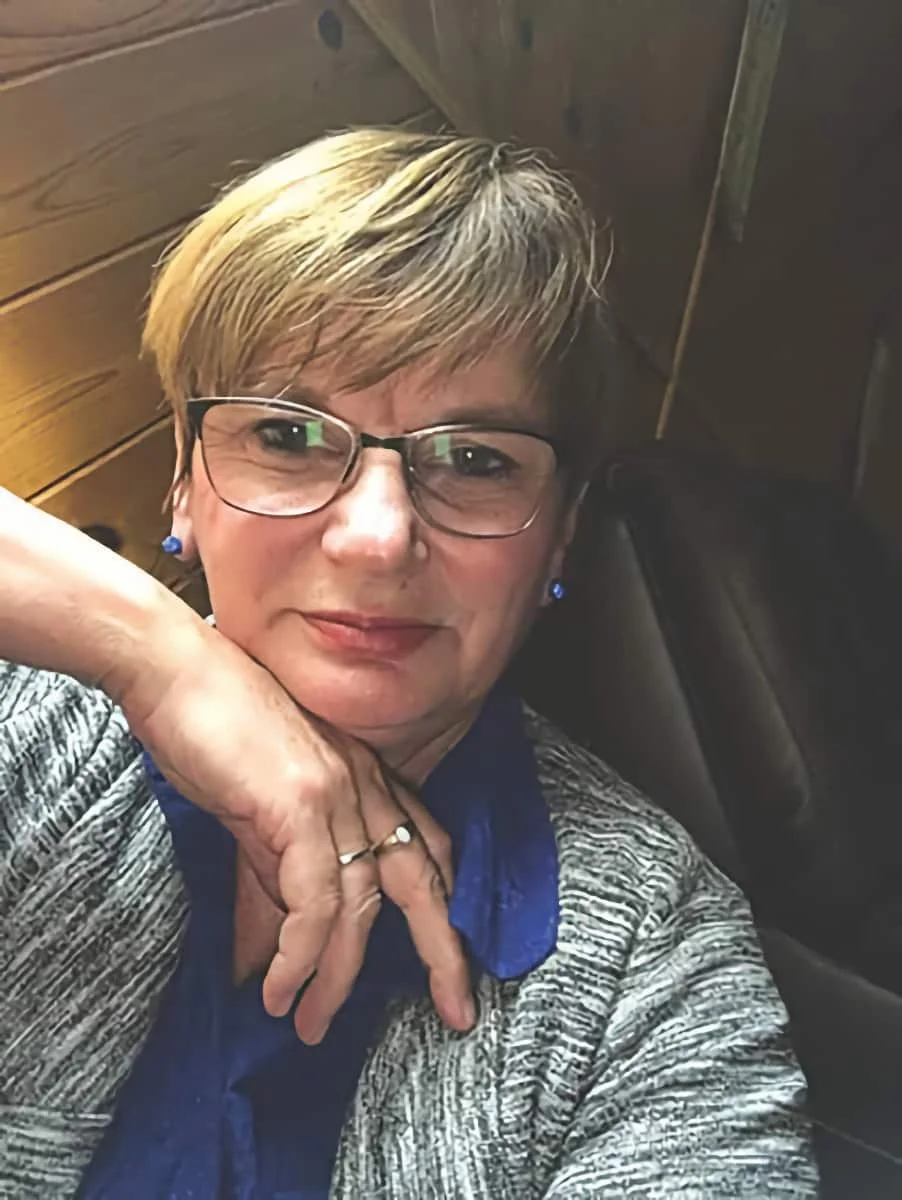
Joan Janzen