Kindersley family served in both world wars, from the trenches of Belgium to an RAF bunker under London.
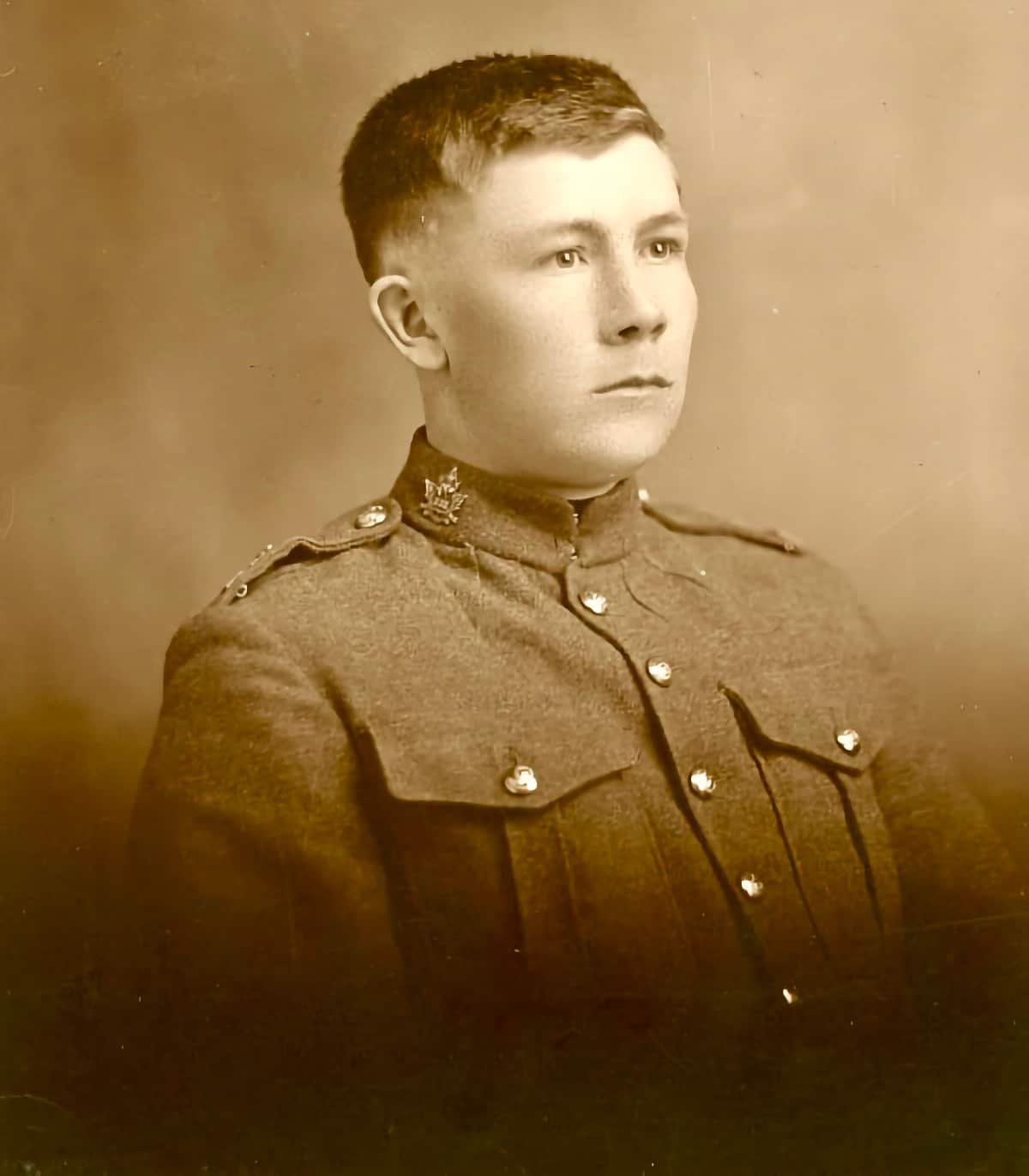
Wilford Morris Godkin was 20 when he died at Passchendaele.
Born at Plevna, Ontario, [in November 1896], he came west as a boy when his family took up a homestead near Kindersley. He was farming when he enlisted at Kindersley on June 19, 1916.
He went overseas with the 232nd Battalion in April 1917 and was attached to the 28th (Northwest) Battalion. On Nov. 6, 1917, the 28th went forward in the attack to clear German forces from the village of Passchendaele, Belgium. Private Godkin was killed that day.
He is buried at Tyne Cot Cemetery in Belgium. His headstone reads “Safe in the Arms of Jesus.”
He was the only son of Jacob Albert and Waitie Godkin of Kindersley and brother to Gladys, Gwendoline and Rowena Grace. He was awarded the Victory Medal and the British War Medal. He was Ken McLay’s great-uncle.
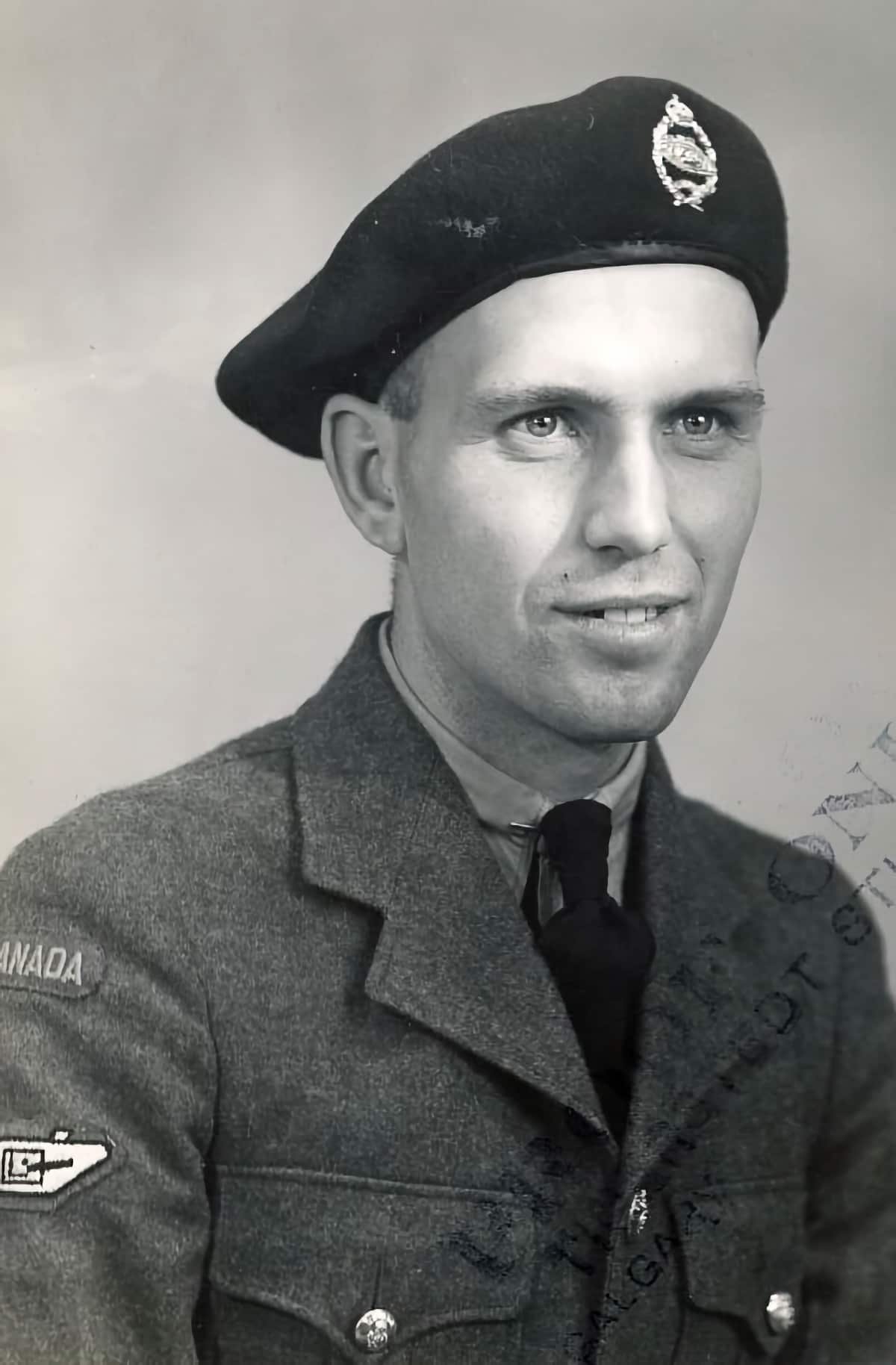
A year after Wilford’s death, his nephew was born in Kindersley on Dec. 30, 1918. The family named him Morris Kenneth McLay, after the uncle he would never meet. Ken’s father served in the Second World War as a tank driver with the [14th Army Tank Regiment (The Calgary Regiment)]. He died in Kindersley on June 26, 2002.
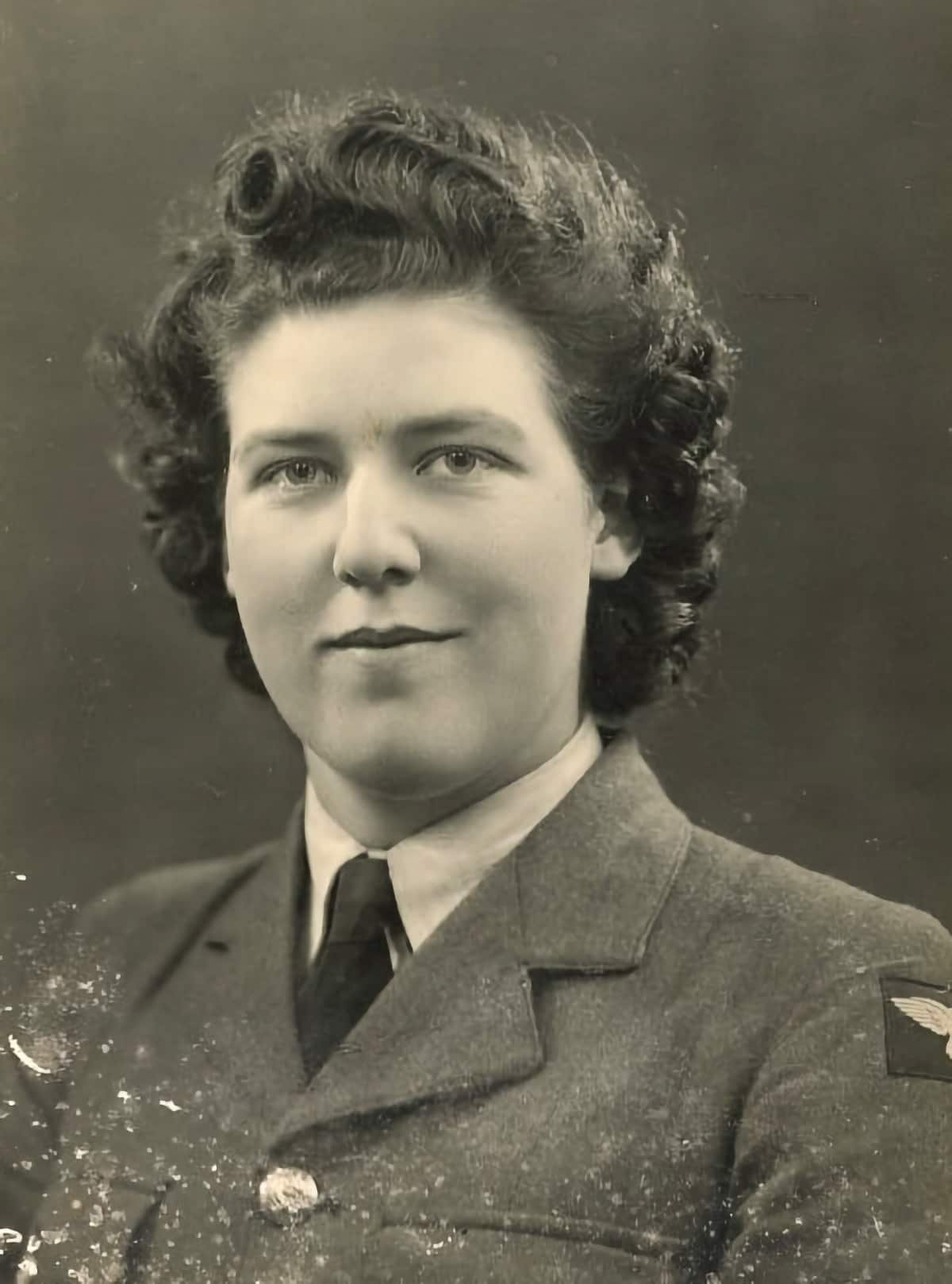
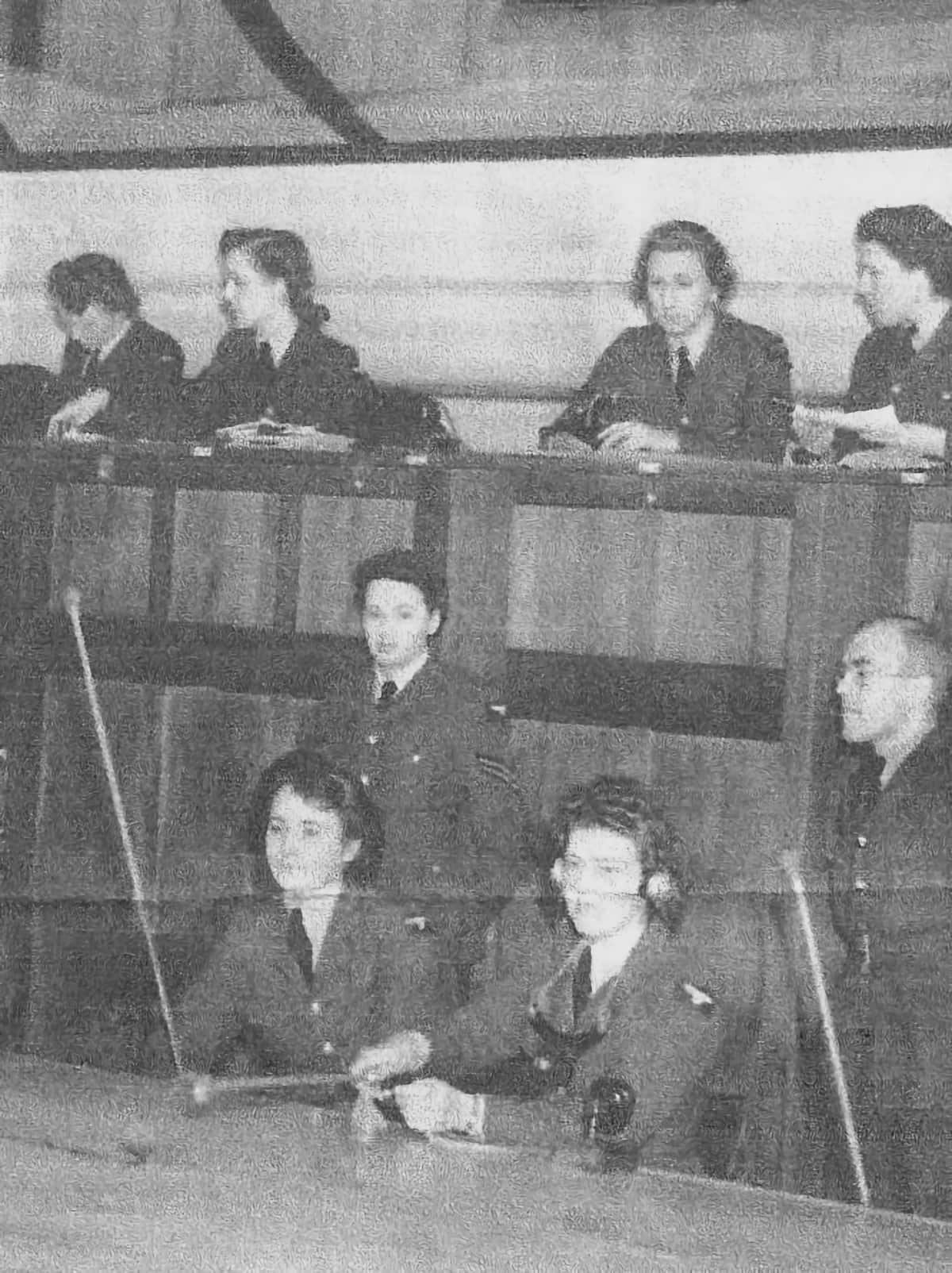
Ken’s mother, Margaret Ellen Draper, was born in England on Sept. 7, 1920. She served as a leading aircraftwoman and operations plotter [with the Women’s Auxiliary Air Force] at RAF Uxbridge. She worked in the underground operations room in west London, about 60 feet below ground. There, plotters moved markers across a large table map to track aircraft in real time. In the photo, Margaret is seated at the centre holding a plotting rake. She later made her home in Kindersley, where she died on May 4, 2011.
Click for larger images and captions