
By Your Southwest Media Group
Most west-central Saskatchewan farmers grew better than average crops this year thanks to rain falling just in time.
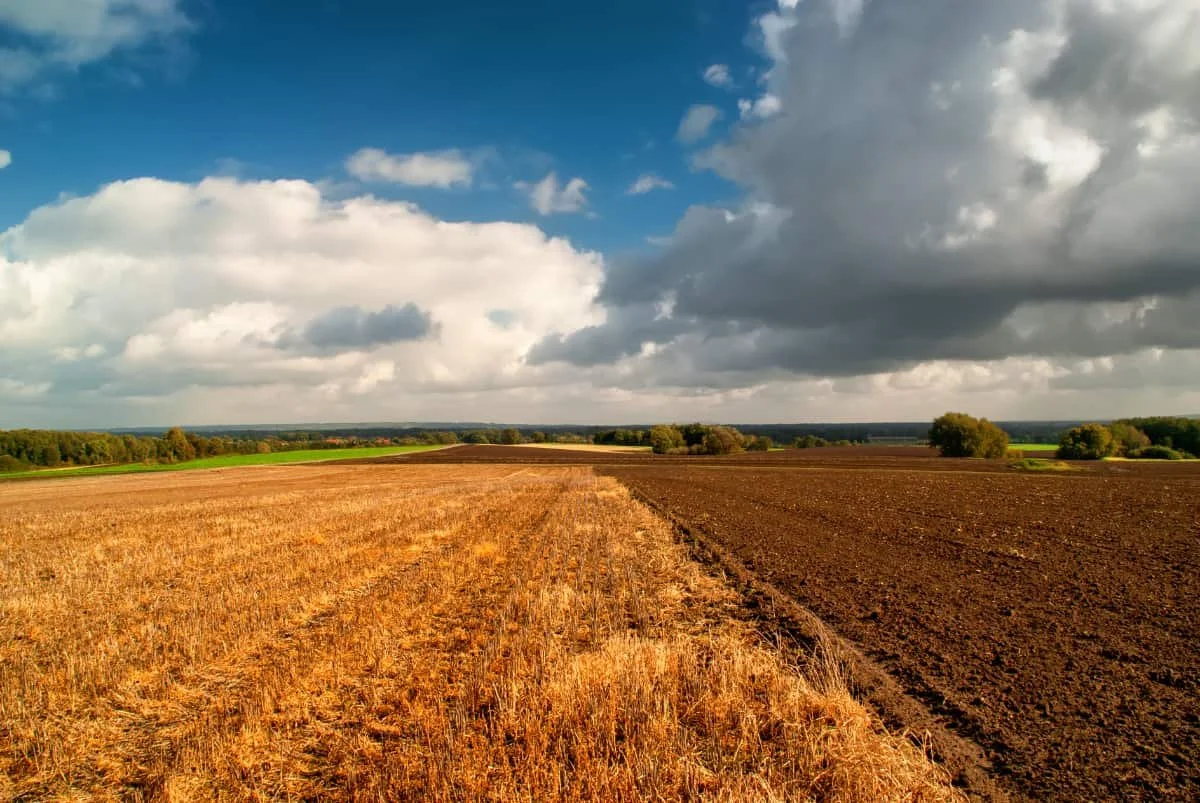
“However, excess moisture presented challenges in low-lying areas of some fields, while bertha armyworm activity created additional pressure in canola crops,” said the final regional crop report of the season.
“Frequent rainfall during critical stages of crop development also increased disease concerns, resulting in many fields being treated with fungicides to suppress disease development,” said the report issued by Agriculture Department staff on Thursday.
Most cereals other than durum graded either No. 1 or 2, while lentils “had a higher proportion” reaching No. 3, “largely due to wet conditions during harvest,” the regional report said.
Topsoil moisture levels “remained adequate throughout much of the growing season” and sat at about 75 per cent adequate, 23 per cent short and 2 per cent very short in fields, pastures and hay land.
Pastures remained largely in excellent to fair condition during the season, the report said.
Around Rosetown, individuals reported that 276 millimetres of rain fell in the Rural Municipality of St. Andrews since April 1, with 361 millimetres in Marriott; Pleasant Valley, 279; Harris, 242; Milden, 350; Biggar, 391; and Fertile Valley, 313.
To the south: Monet, 276 millimetres; Lacadena, 321 and 64; Snipe Lake, 288 and 141; Miry Creek, 261; and Happyland, 287.
Around Kindersley and Kerrobert: Milton, 455 and 253 millimetres; Prairiedale, 485; Kindersley, 277; Oakdale, 289; Progress, 335; Mariposa, 361; Eye Hill, 317; and Reford, 197.
Throughout the province, “yields were consistent with 10-year averages” but some crops lost quality “due to late-season rain and pest activity,” the overall report said. “Rainfall, frost and humid conditions created challenges during the final stages of the season,” it added.
Too much rain and flooded fields delayed seeding in many areas and summer moisture increased disease risk, causing many farmers to spray fungicides. Bertha armyworms, cabbage seedpod weevils and Richardson’s ground squirrels also created challenges.
Hard red spring wheat averaged 51.9 bushels an acre; canola, 38.3 bushels an acre; durum, 44.2 bushels; barley, 71.2 bushels; oats, 96.7 bushels; peas, 37.1 bushels; soybeans, 33.2 bushels; flax, 26.2 bushels; chickpeas, 1,823.6 pounds per acre; lentils, 1,444.7 pounds per acre; and mustard, 1,018.8 pounds per acre.
As for grades, 81 per cent of the canola made No. 1; 25 per cent of the lentils made No. 1, with 58 per cent No. 2; 25 per cent of the durum reached No. 1, with 30 per cent No. 2; 16 per cent of the barley graded malt, compared with the 10-year average of 31 per cent; 39 per cent of the peas graded No. 1, with 52 per cent No. 2.
Most hay was rated excellent and good, with some small areas reporting it as poor, while 63 per cent of pastures are in good condition and 10 per cent are in excellent condition, the report said.