
R.M. of Mariposa still waiting for strychnine
By Stu Salkeld
Local Journalism Initiative Reporter
Your West Central Voice
KERROBERT —The R.M. of Mariposa was one of the unlucky Saskatchewan rural municipalities that hasn't yet received a portion of 2 per cent liquid strychnine.
In a phone interview with Your West Central Voice newspaper July 27, Chief Administrative Officer (CAO) Kathy Wurz stated that the R.M. of Mariposa didn't receive its allocation of 2 per cent liquid strychnine, a pesticide that producers know is effective at controlling gophers.
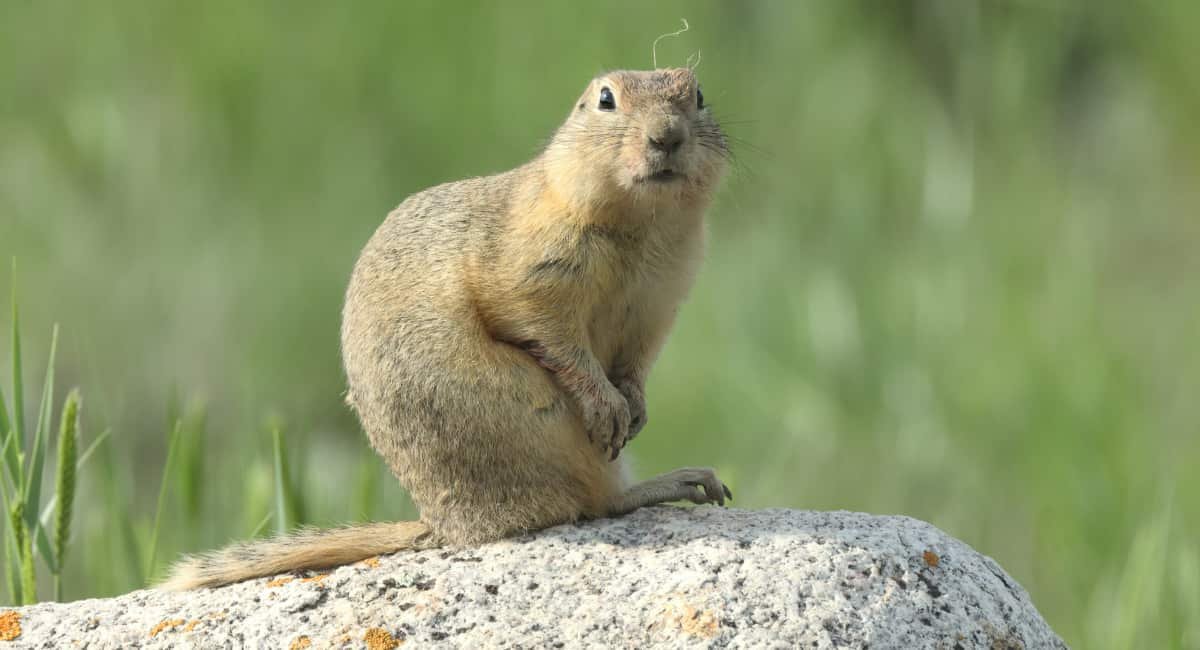
Wurz stated that the supplier contacted Mariposa with an update and reported that the manufacturer ran out of active ingredient and that they might be able to send some strychnine to Mariposa later in the summer.
While the Government of Canada began phasing out strychnine as a gopher control tool in 2020, rural municipalities and producers, particularly in Saskatchewan and Alberta, have subsequently been reporting large gopher populations, and although alternatives to strychnine exist, producers and agriculture specialists feel the booming population suggests they aren't effective. Some reasoning used as a justification for the strychnine ban is that the poison can be accidentally ingested by non-target animals, including predators and scavengers.
Said to be the result of intense provincial government, industry and producer lobbying, earlier this year the Government of Canada approved an emergency 2 per cent liquid strychnine program for Saskatchewan and Alberta that's proposed to run until 2027, with virtually all of the program operations falling on municipal staff.
The program includes strict training, registration and follow-up regulations.
The CAO stated Mariposa currently has 13 producers fully trained to apply strychnine on their property, a course available over the internet. Wurz noted the reporting rules are very strict and detailed.
Wurz stated that when a fully trained producer comes into the R.M. office for this program, the municipality has to record every quarter section strychnine will be applied to so an investigation can be carried out to ensure species at risk aren't on that land.
Apparently, the species at risk rule could limit or cancel strychnine use on a parcel of land.
As well, producers must complete a detailed treatment plan that outlines where the strychnine is being used.
Wurz observed that signage is also required that lets people know strychnine has been applied to a parcel of land. She noted that results must also be reported, including details like how many gopher corpses were found.
Another rule is that unused strychnine must be returned to the municipality under this program.
The CAO noted this program has been a lot of work for the municipality, as R.M. staff must keep track of every requirement. It appears warnings, penalties and fines are the consequences of not following the program rules.