
Power reaches the prairie: rural electrification transformed Saskatchewan farms
By Joan Janzen
The 1950s marked a decade of electrification in rural Saskatchewan. Seventy-five years ago, farms were being powered with electricity for the first time, and many seniors still remember when it arrived. In some areas, farmers dug post holes by hand, and many of those original poles remain in use today, a former Saskatchewan resident recalled.
Farmers worked together to install poles and anchors before SaskPower crews arrived to string lines and install transformers and meters. Many took short courses in house wiring so they could wire their own homes, barns and workshops.
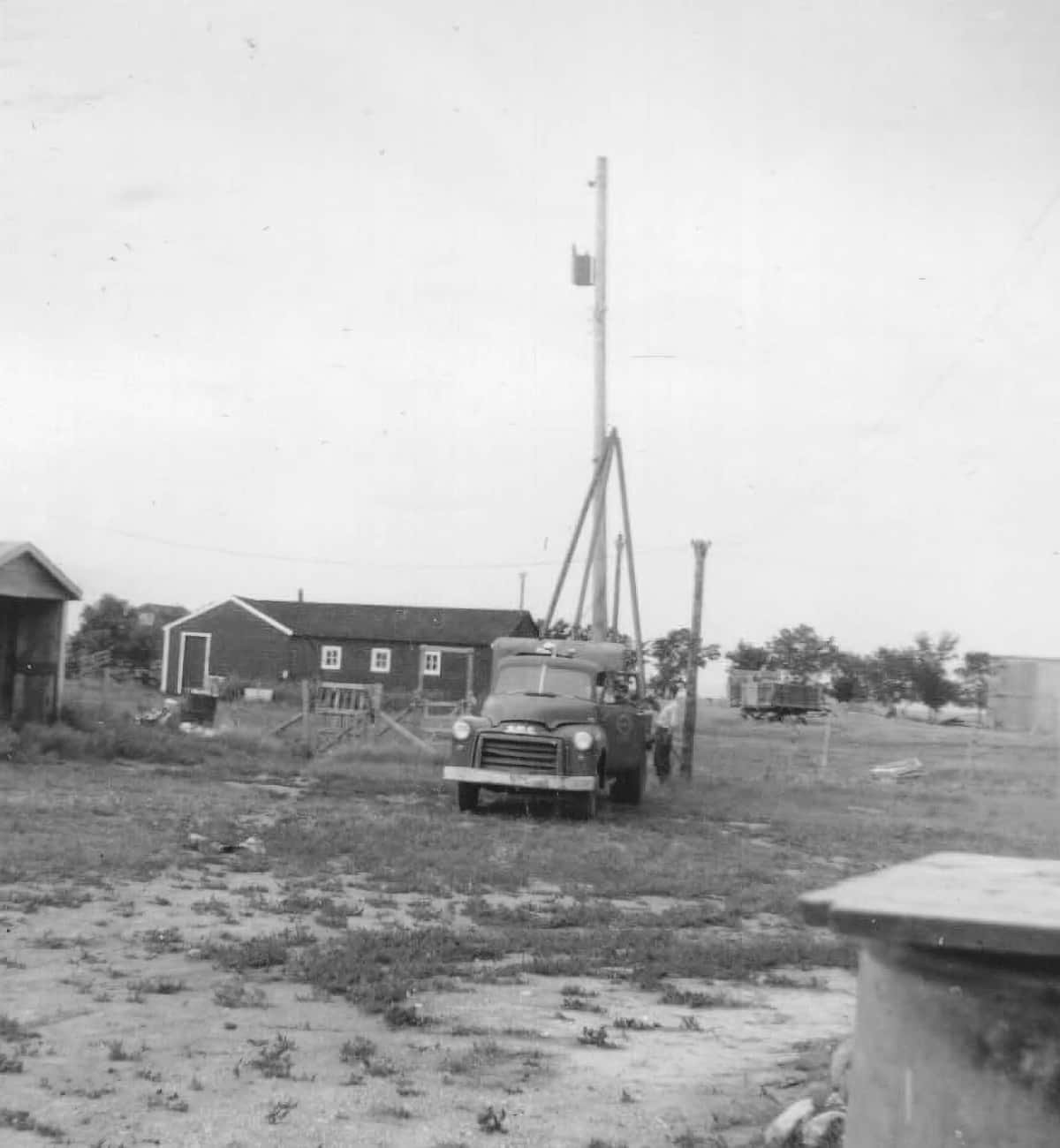
Raising transformer poles for electrification in rural Saskatchewan was a common sight on farms in the 1950s. PHOTO HISTORIC SASKATCHEWAN
“I can remember getting the power in the early 1950s in the RM of Snipe Lake,” Vern Vogel recalled. “Before that, we relied on a 32-volt wind charger.”
An article written several decades ago by Joan Champ outlined the electrification process. In 1951, the Rural Electrification Act was amended, grouping blocks of four or five municipalities into distribution areas. Initially, farmers were encouraged to build their own lines under the supervision of corporation engineers to help keep costs down.
In 1952, Premier Tommy Douglas promised electrical service to 40,000 farms within five years. That target required an average of 7,000 farms per year to be connected, double the pace of the 1951 program. Additional staff were hired, and promotions and demonstrations were launched to highlight the benefits of electrification.
A 1954 SaskPower letter to a farmer stated: “Farmers will be required to pay for service within one month after it is made available, and will be billed the minimum bill of $5.00 per month after this period has expired.”
The Rural Electrification Superintendent also encouraged community support, writing: “We certainly hope the project will materialize. May we ask your assistance in selling the idea to your neighbours? Not only does the project need them, but they too need the power. Sometimes a word or two from you does more than any effort we can make.”
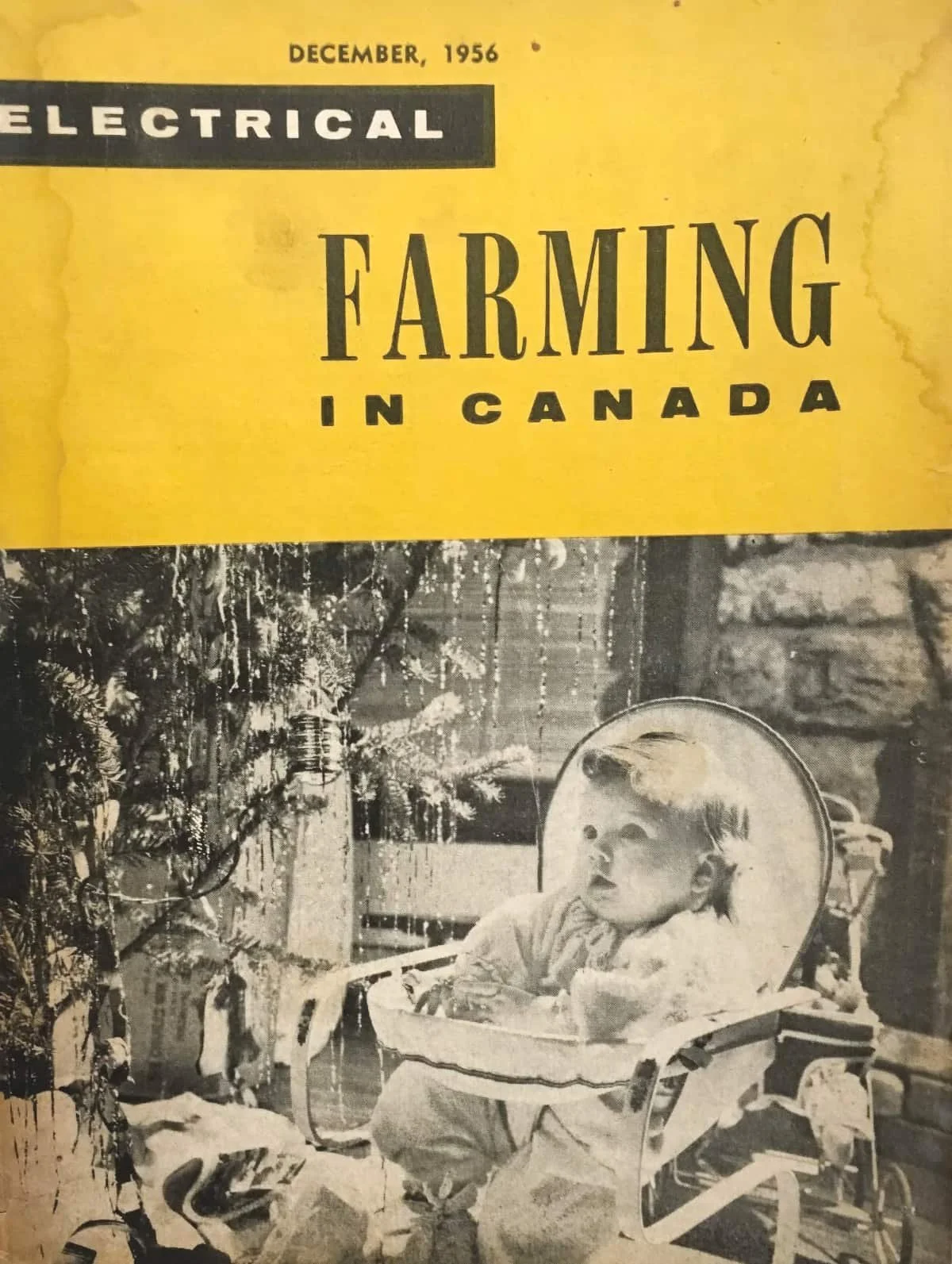
By 1956, SaskPower was promoting the advantages of farm electrification through publications, as the scale of expansion grew to 50,000 to 60,000 transmission line poles erected each year.
Through the 1960s, farms continued connecting to power at a rate of about 1,000 to 2,000 per year, reaching approximately 66,000 electrified farms by 1966.