
Ottawa names first regions eligible for 2026 livestock tax deferral
By Your Southwest Media Group
Livestock producers hit by drought, excess moisture or flooding this year now have a first look at which regions qualify for a federal tax break.
Agriculture and Agri-Food Minister Heath MacDonald announced Tuesday an initial list of regions eligible for the Livestock Tax Deferral in 2026.
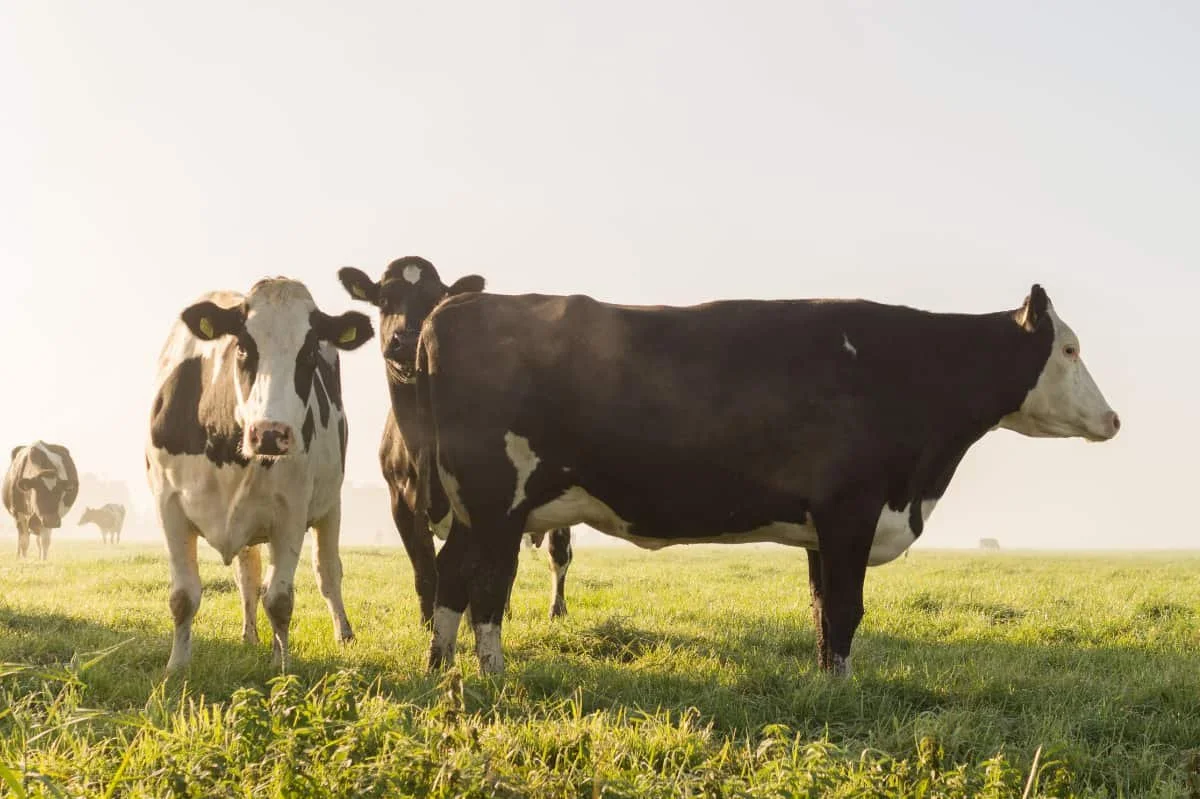
The provision lets producers in prescribed areas who are forced to sell all or part of their breeding herd because of forage shortfalls defer a portion of that sale income to the following tax year. The cost of replacing breeding animals can then offset at least part of the deferred income, reducing the tax owed on the original sale.
To defer income, the breeding herd must be reduced by at least 15 per cent.
Since 2024, regions next to drought, excess moisture or flood conditions can also be prescribed. The change was made so neighbouring farms facing the same conditions are not left out.
Where drought or flooding runs consecutive years, producers may defer sales income to the first year in which the region is no longer prescribed.
"Canadian livestock producers work hard every day to be resilient in the face of unpredictable challenges due to extreme weather conditions," MacDonald said. "Through the Livestock Tax Deferral provision, our government is giving them greater flexibility and certainty as they make important decisions about their herds and operations."
The list of prescribed regions is based on weather and climate data gathered and analyzed under the Canadian Drought Monitor. Agriculture and Agri-Food Canada said it will continue to monitor weather, climate and production data through the growing season and will add regions as conditions warrant.
Producers also have access to federal business risk management programs, including AgriStability, AgriInsurance and AgriInvest.