
History Photos: Shopping in the 1940s
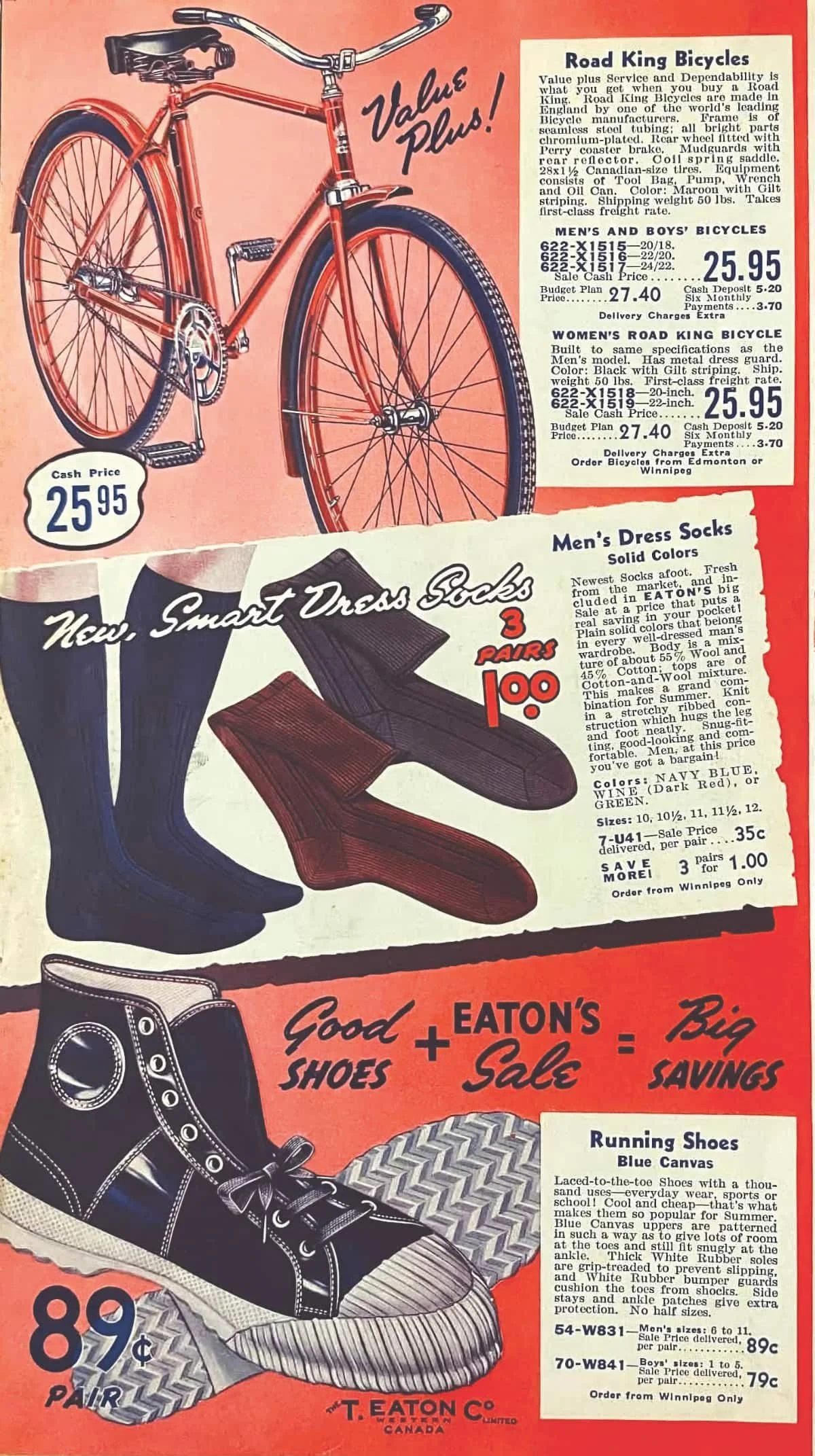
Shopping was simple in the 1940s
Long before online shopping, Canadians could shop from the comfort of home with the Eaton’s catalogue.
This particular edition dates back to 1940, at the end of the Depression era and the beginning of the war years. Inside, shoppers could find everything from bicycles and running shoes to dress socks — a Road King bicycle for $25.95, three pairs of men’s dress socks for $1 and a pair of running shoes for just 89 cents.
There were no iPhones, laptops or microwave ovens to order — just the necessities of everyday life, conveniently delivered from the pages of the Eaton’s catalogue.
Photo: Historic Saskatchewan
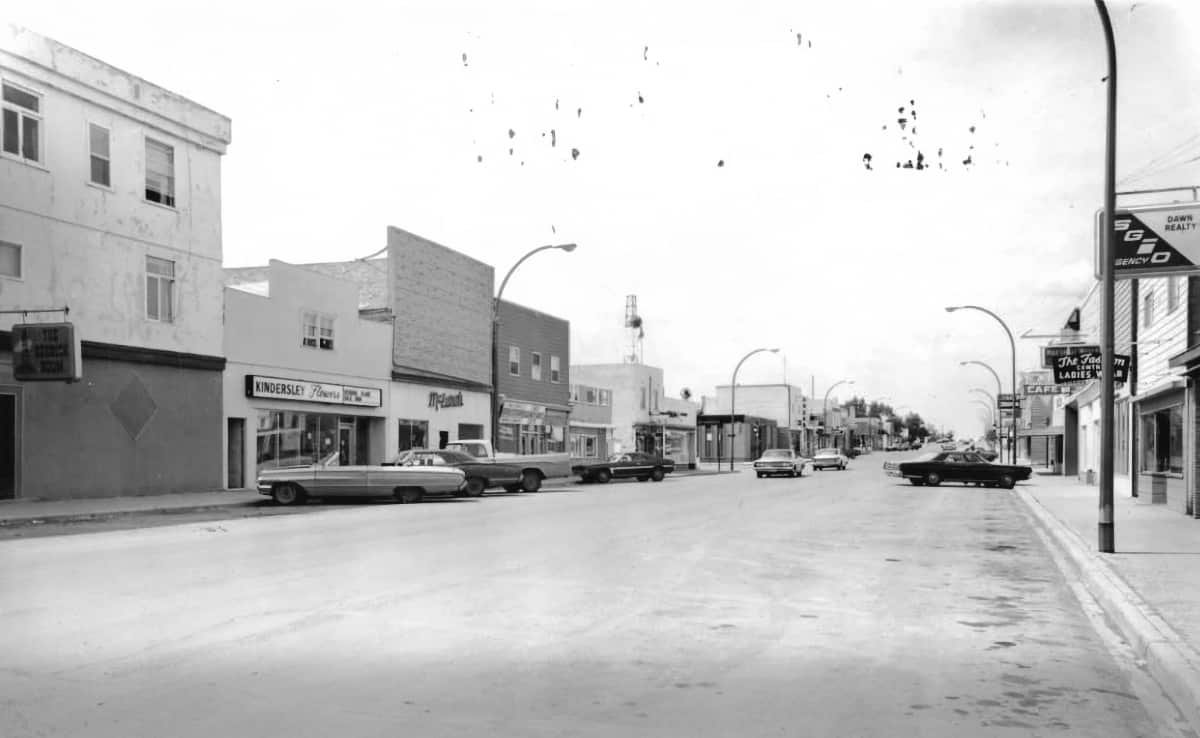
A glimpse of Kindersley in 1971
Here’s a glimpse of downtown Kindersley in 1971.
The photograph, taken by Kal’s Photography and preserved by the Provincial Archives of Saskatchewan, captures a familiar downtown that nevertheless looks very different more than 50 years later.
The cars, storefronts and signs may have changed, but there’s no mistaking Kindersley’s Main Street.
Photo: Kal’s Photography/Provincial Archives of Saskatchewan
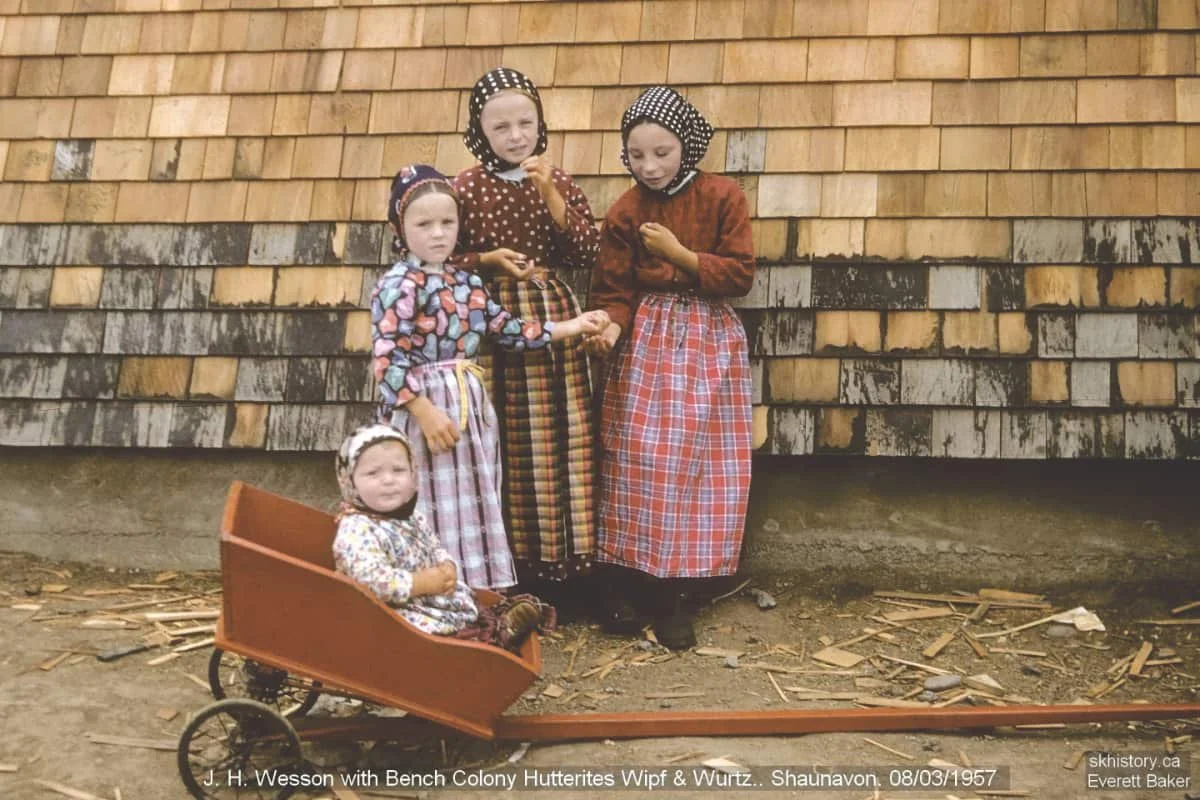
Saskatchewan’s first Hutterite colony
The Bench Hutterite Colony, in the Dollard and Shaunavon area, was Saskatchewan’s first Hutterite colony, established in 1952 or 1953.
The colony, consisting of the Wurtz and Wipf families, was formed as a division of the Old Elm Spring Hutterite Colony near Magrath, Alta. Bench Colony belongs to the Lehrerleut branch of the Hutterite community.
This 1957 photograph by Everett Baker shows members of the Wipf and Wurtz families at Bench Colony near Shaunavon.
According to Hutterite Community Distribution, Saskatchewan, there are now approximately 81 Hutterite colonies in the province.
Photo: Historic Saskatchewan — Everett Baker, 1957