
By Joan Janzen
Frances Chandler recalled many treasured memories of her years in Kindersley. She was born on August 18, 1934 in the old Kindersley hospital. Frances was the only child of her parents.
"In the 1930s my dad had two jobs," she said. He looked after the water tower and would chop the ice off the outside of the tower in the winter. He also worked at a warehouse located where the Co-op pharmacy is today.
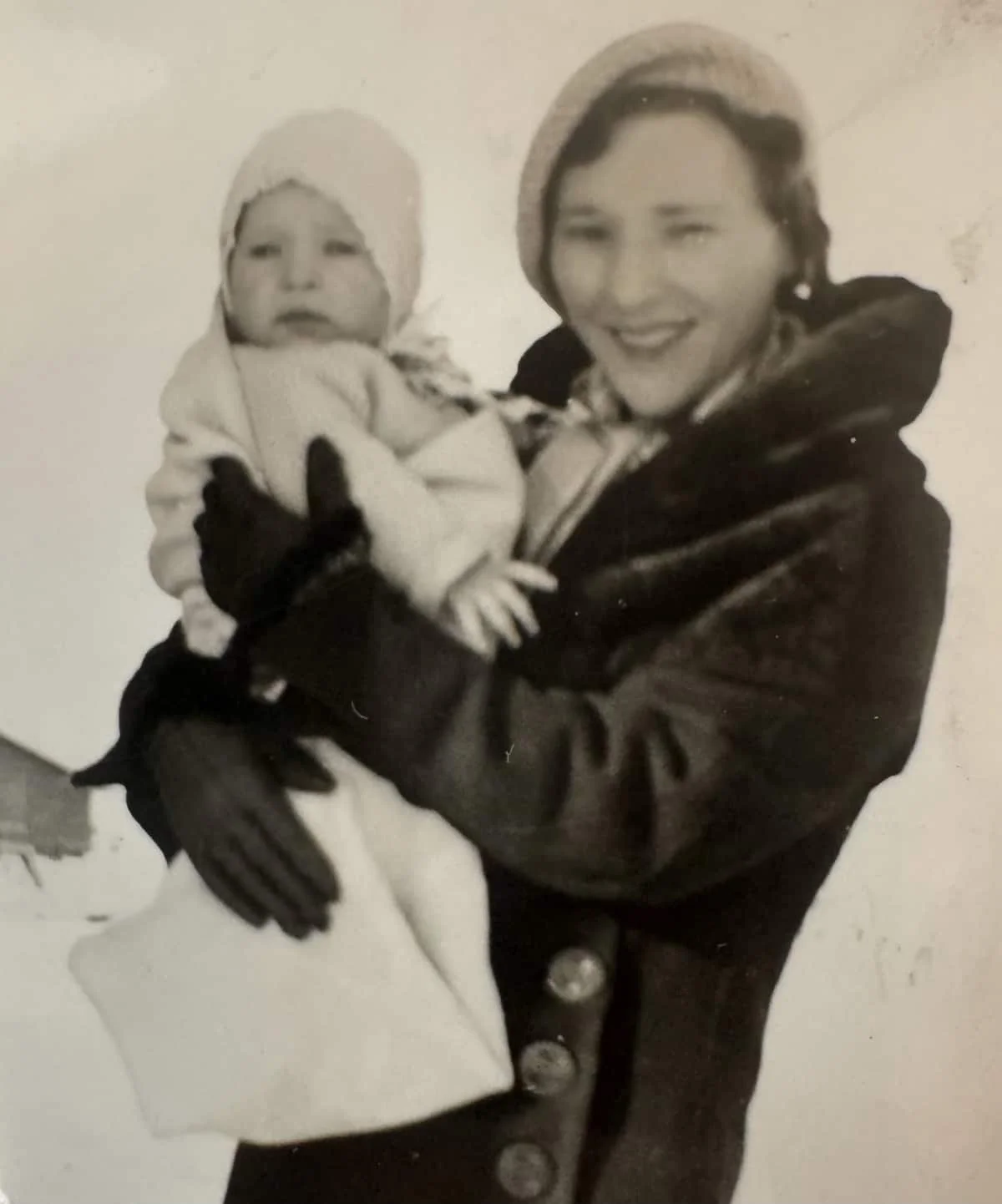
Frances Chandler at three and a half months old with her mother. SUBMITTED PHOTO
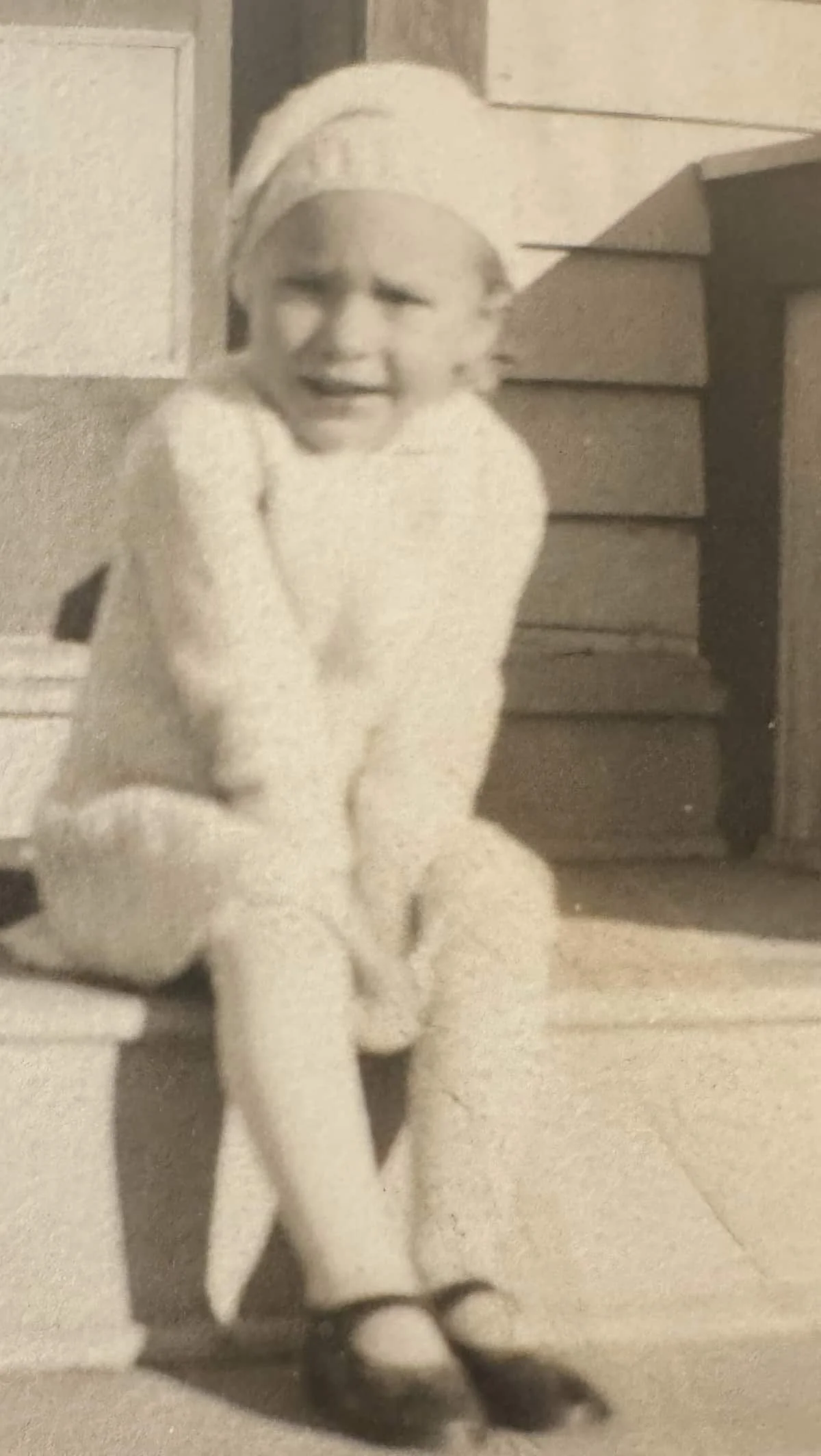
Frances Chandler as a young girl in Kindersley. SUBMITTED PHOTO
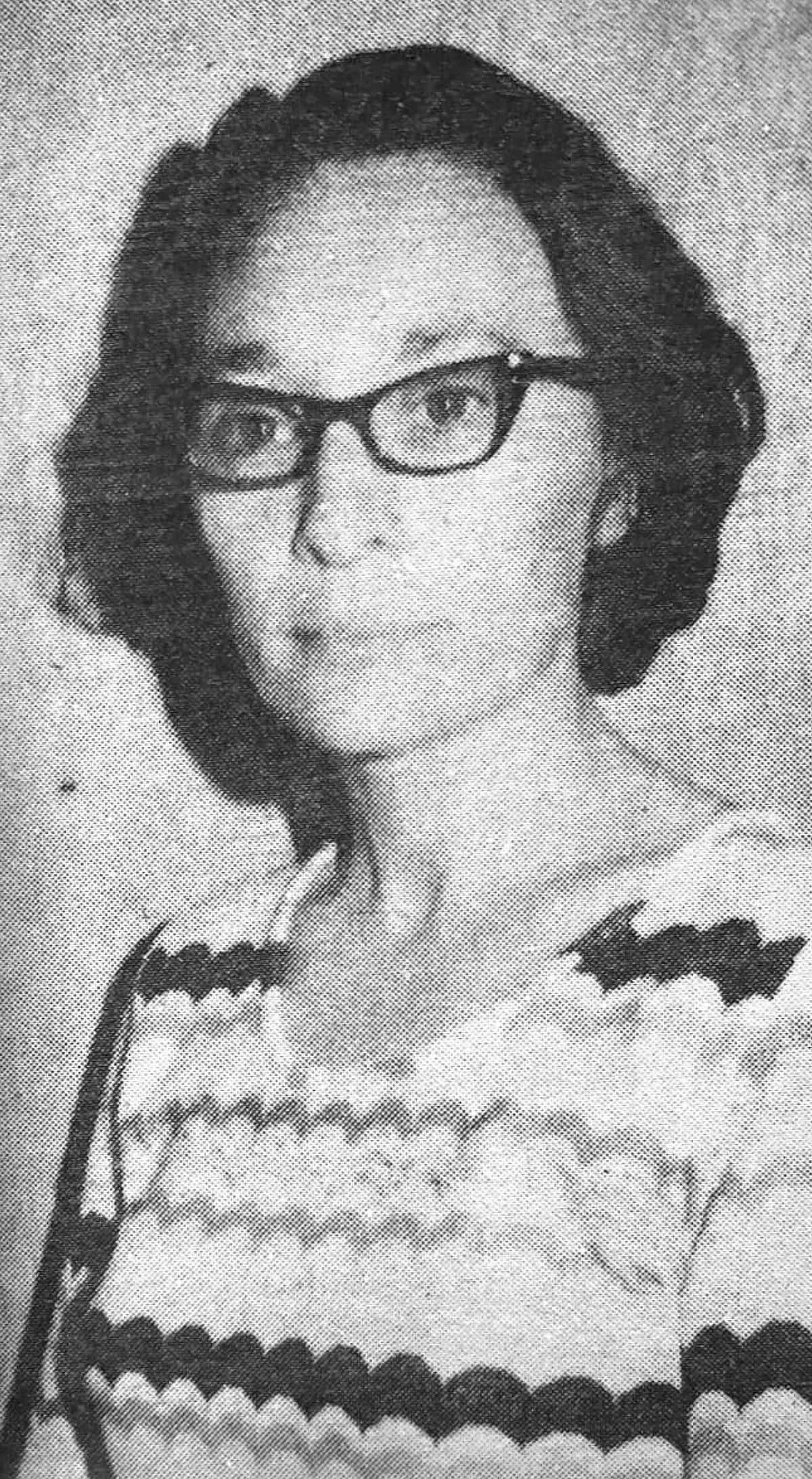
In 1972, Frances Chandler became the first woman elected as a director of the SWNA. SUBMITTED PHOTO
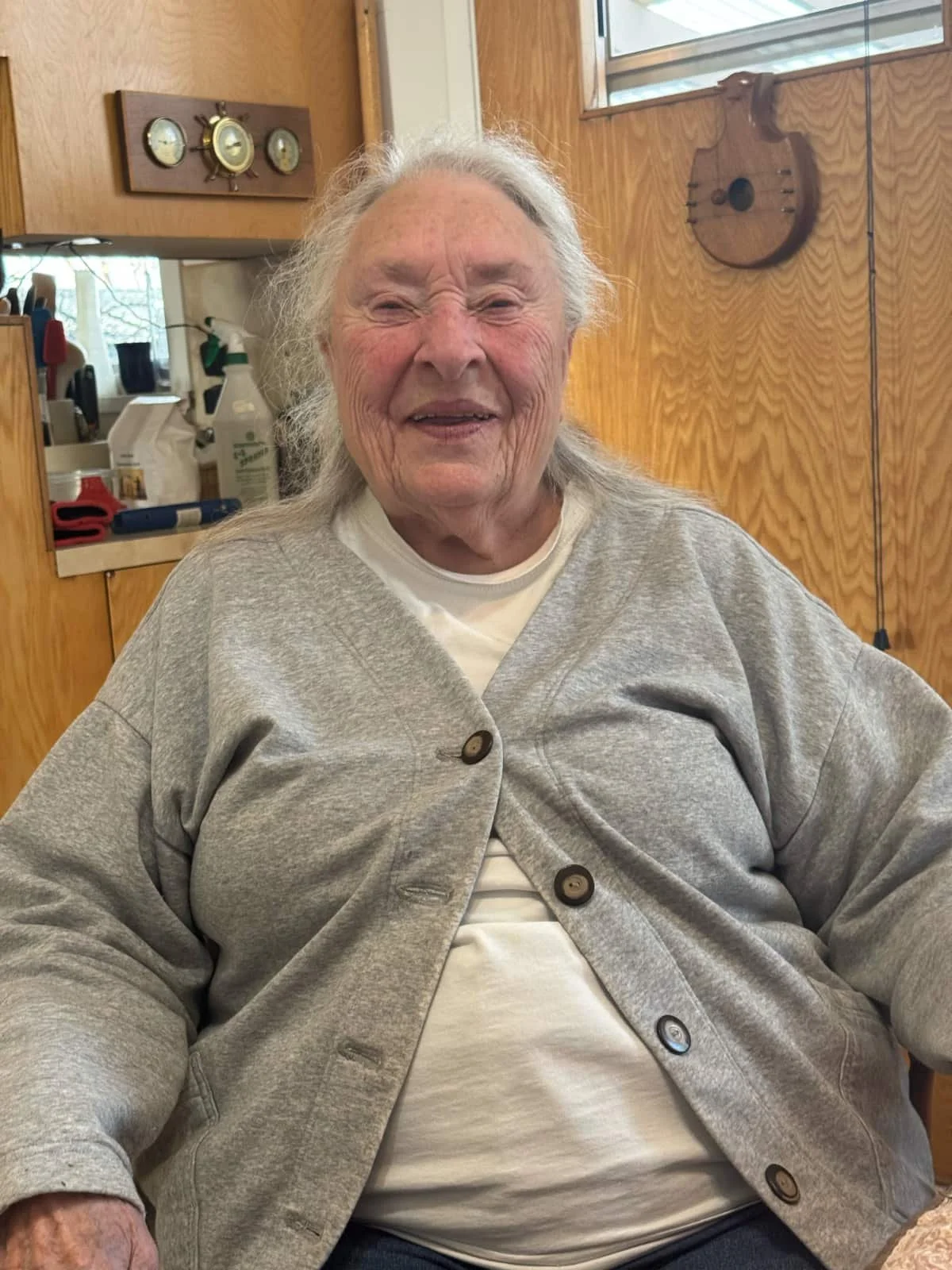
Frances Chandler shared many treasured memories of growing up in Kindersley from her home. PHOTO BY JOAN JANZEN
"When I was little we lived on Railway Avenue on Topping Block. A man named Topping owned it and it was where the Salvation Army is now located. There were seven suites in the building," she said.
She also remembered her family catching the morning train to Saskatoon and renting a room at the Senator Hotel. "You could get anything you needed in a two-block radius and then catch the train and arrive in Kindersley later that night," she said.
Back home in Kindersley, residents could visit the local butcher shop, where they were given complimentary meat: liver, heart and tongue. At one time the town had three lumber yards.
"Mr. Balderston had a farm close to town and we used to visit the animals. It was a novelty for kids in town and we would go out there when he was feeding the animals and help him," Frances said.
Her education began in a two-room school. During her elementary and high school years there was a dorm where rural children boarded while attending school in Kindersley.
"Jean Kehrer was my teacher," Frances recalled. "She instituted discipline the first day and never had problems with any kids."
Frances vividly recalled pressing a pillow against a window to keep blowing dust out of their house during the Dirty Thirties. Several years later her family moved to Toronto while her dad served overseas during the Second World War. After the war the family moved to Regina, where they rented a small house.
"I was in the Grey Nuns Hospital for some time because I had ear problems and had surgery," Frances remembered. After she was sent home, she saw the doctor periodically to check on her incisions.
"I would go to the doctor's office downtown by myself on the bus because my mother didn't have enough money to go with me. That's how they treated veterans when they came home," she said. "My dad worked in the canteen in Regina for a while until he got his discharge papers."
Following his discharge, the family returned to Kindersley, and Frances acquired a new friend: a stray dog she called Rex.
"He wasn't my dog at all," she laughed, recalling how the stray would follow her around while she collected bottles, which she took to the Seymour Hotel.
"The dog came along and hopped up on my wagon and came home with me," she said. Few people had house pets back then, and her little black and white curly-haired dog had learned how to fend for himself.
"He would go to the butcher shop for bones, run up and down the boards when the kids played hockey, and someone would let him in the theatre and he would go to the movies," she laughed.
She remembered a circus coming to town and one of the snakes escaping. "It was quite an ordeal getting it back," she recalled.
Her fondest childhood memories were of the times kids of all ages played at a recreational area near the train tracks, where there were tennis courts and a horseshoe pit. In springtime a pool of water collected nearby. "It was deep enough for us kids to raft in it," she remembered.
Fortunately for Frances and her friends, Kindersley had an outdoor swimming pool, which was unusual for a town of that size. The pool was filled from a well and wasn't heated, so the water was very cold.
"In the wintertime we'd go out to the dam, clean the snow off the ice and skate out there and toboggan down the hill. We'd go out in the morning, be gone all day long, come home wet and cold and have hot chocolate and cinnamon toast. That was a big treat!" Frances smiled as she travelled back in time. But when she hooked her precious Rex up to her sleigh, he refused to move, preferring to ride as a passenger.
During her teen years she attended high school at McKenzie School. "Mr. Barry Tippit was the principal. I would go see him quite often and he would say it's funny that you and your girlfriend both get sick at the same time," Frances chuckled. "I wasn't very fond of school. There were all kinds of things I wanted to know and I wasn't getting what I wanted. At that time you could get a job easily without a high school diploma."
Frances left school after Grade 10 and some time later began working at the Clarion. She worked on a Linotype machine, a tedious process that cast lines of type from molten lead. "It was so hot! There was no air conditioning at that time, so in the summer it was really very warm. There was heat coming off the pot that was melting the lead. We used tabloid pages and everything was upside down, so when the image was imprinted on the pages it was readable," she explained.
The paper was owned by Mr. Reid, and his son took over the business after Mr. Reid's passing. John Chandler began working at the paper as an ad salesperson. Eventually Frances and John married and bought the Clarion.
In October 1972, Frances was elected a director of the Saskatchewan Weekly Newspapers Association (SWNA). She served a two-year term and was the first woman to hold the position in the association's history. John and Frances later sold the business to Jim Crump and went on to pursue other business interests and raise a son and a daughter.
Today Frances still lives in her home, where she loves gardening and keeps many beautiful indoor plants.