
By Ruth Chorney
Published by 7SpringsBooks
Review by Shelley A. Leedahl
Chalk it up to interesting and relatable characters, dynamic plots, and rural settings so viscerally described, you can taste the prairie soil on your teeth: Kelvington, SK writer Ruth Chorney’s latest book, the contemporary mystery No Straight Lines, is another winner. From the police interrogation of protagonist Ingrid that opens the story to the satisfying epilogue, I was quickly entranced by this novel—the author’s fourth—set in fictional Kettlebank in northeastern Saskatchewan.
Ben Franklin’s credited for saying “nothing is certain except death and taxes,” and while there’s no mention of taxes in this beguiling mystery, death veritably abounds. First-person narrator Ingrid is on “extended compassionate leave” from her kitchen designer career in Toronto. The twenty-something returns to Kettlebank after her father, a farmer, is found dead in his hayfield “on the shady side of the baler.”
Ingrid, “a home-town star who made good,” fled Saskatchewan two days after her beloved brother Eric’s funeral: he was killed in a questionable car accident six years earlier, and she’s not been back since. In Toronto, her Armenian fiancé, Gregor, died in a rock-climbing tragedy.
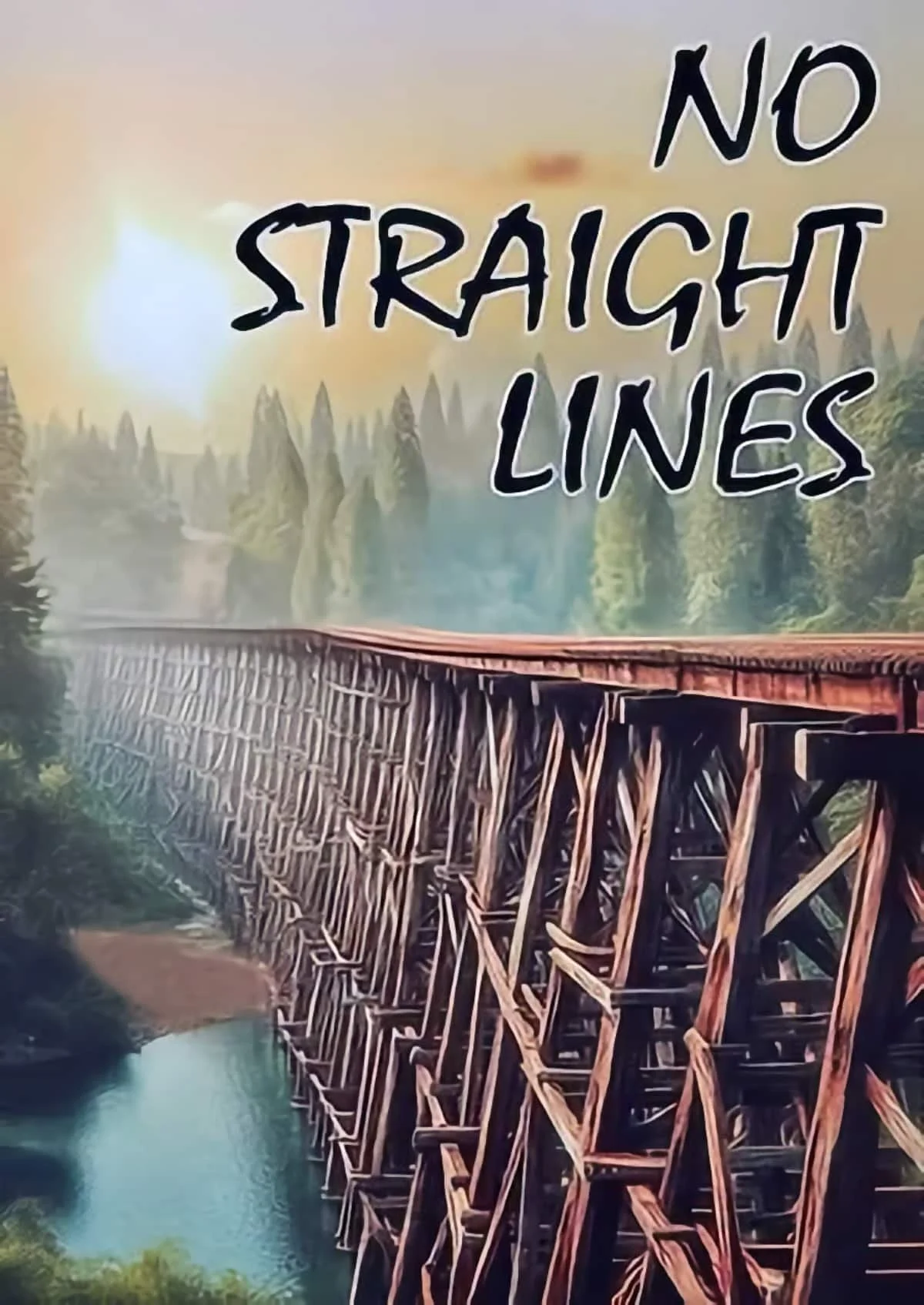
Meanwhile, the town’s rich and narcissistic womanizer, Tristan Everleigh, has tragically fallen off the abandoned trestle bridge that borders Ingrid’s family’s property—and Ingrid and her old best friend, Mariah, witnessed the event. Accident, suicide, murder?
As with any great mystery, Chorney dispenses numerous characters who’d like to see Tristan dead, and she keeps readers guessing until the end. While the town gossips, Ingrid does the things she loves: shoot at a “cardboard target” fixed to “a big straw bale” at the family’s “rifle range”; visit with Mariah and her son—who everyone in town knows is “Casanova” Tristan’s, too; and run. She runs “across the grazed-down pasture, around the slough” and “There are signs of summer’s end: gold and bronze sarsaparilla leaves in the underbrush; plump red rose hips with their waxy shine; and a few poplar leaves falling onto the path.”
Ingrid tries to “assign logic to grief,” and dramatic plot aside, this novel’s very much about how everyone manages grief differently. Ingrid and her mother find “digging potatoes” and cleaning the basement healing. Her mother says: “I know that grieving is a process and I need to give myself time.” After her fiancé’s death, Ingrid lost herself in her design work.
Unlike the trestle bridge that adorns the cover, there were “no straight lines” on the prairie landscape back in the day, as Ingrid’s grandfather frequently professed. Similarly, grieving, like this captivating novel, is full of twists and turns.
This book is available at your local bookstore or from the Saskatchewan Publishers Group at www.skbooks.com.